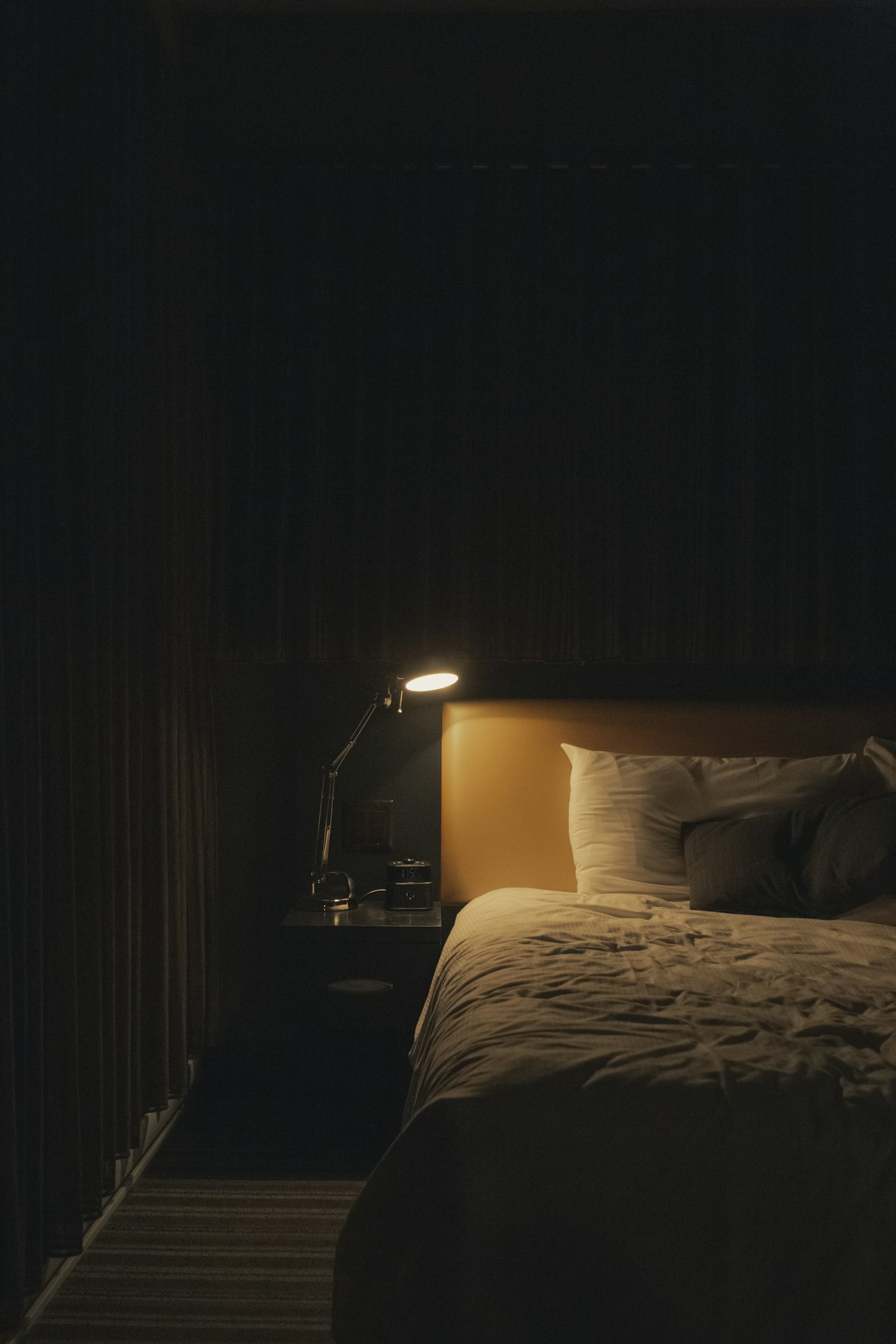
If you have PTSD, nights can be the hardest part of the day. Many people with PTSD have trouble falling asleep, wake up often, or have vivid nightmares about the trauma. Poor sleep then makes everything else harder, from mood and patience to concentration and the ability to cope.
The good news is that sleep problems linked to PTSD are treatable, and there are steps you can start tonight.
Why PTSD disrupts sleep
Sleep requires the body to let its guard down. With PTSD, the brain's threat system stays on high alert, so the body resists relaxing enough to fall and stay asleep. Many people also put off sleep because they dread nightmares, which leads to irregular schedules and even more exhaustion.
Trauma nightmares often replay the event or its themes, such as being trapped, chased, or unable to protect someone. Waking from one can leave your heart pounding and make it hard to drift off again.
What you can do tonight
- Get up at the same time every day, even on weekends and after a bad night. Your body clock takes its cue from your wake-up time more than your bedtime.
- Keep the bed for sleep. Scrolling, working, or watching the news in bed teaches your brain to stay alert there.
- Give yourself 30 to 60 minutes to wind down with dim lights, a warm shower, some stretching, or something calm to read.
- Cut off caffeine at noon, and go easy on nicotine in the evening.
- Don't use alcohol as a sleep aid. It can help you drift off, but it breaks up sleep later in the night and can bring on vivid dreams.
- If you're still awake after about 20 minutes, get up, go to another room, and do something quiet until you feel sleepy.
- Get outside in the morning light and move during the day. Both help set your sleep rhythm.
What to do after a nightmare
- Turn on a light and look around the room to orient yourself
- Remind yourself: "That was a dream. I am in my bedroom. I am safe now."
- Breathe slowly, with a longer exhale than inhale
- Get a drink of water, change position, or splash cool water on your face
- If you share a bed, agree ahead of time on how your partner can help, such as speaking calmly before touching you
Treatments that work
Trauma-focused therapy
Treating the PTSD itself, with therapies such as Cognitive Processing Therapy, Prolonged Exposure, or EMDR, often reduces nightmares and improves sleep.
Cognitive behavioral therapy for insomnia (CBT-I)
CBT-I is a short, structured treatment that retrains your body and mind for sleep. It is the first-line treatment for chronic insomnia and works well for people with PTSD. The VA's free CBT-i Coach app can support it.
Imagery rehearsal therapy
In imagery rehearsal therapy, you write a new, less distressing version of a recurring nightmare and practice it while awake. Over time, many people find their nightmares come less often and feel less intense.
Medication
The 2023 VA/DoD PTSD guideline suggests the medicine prazosin specifically for trauma nightmares. Ask your doctor whether it fits you, and avoid relying on alcohol, cannabis, or sedatives you have not discussed with a provider.
When to get help
If you have struggled with sleep for more than a few weeks, talk to your doctor. Sleep trouble can also come from conditions like sleep apnea, which is common and treatable, so a full check is worth it. Find more ideas in our coping skills guide.
If you are in crisis, call or text 988. Veterans can dial 988 and press 1.
PTSD Info articles are for education only and are not a substitute for professional medical advice, diagnosis, or treatment. If you are in crisis, call or text 988 (Veterans press 1), or call 911 in an emergency.