PTSD in Veterans and service members
Military service can expose people to trauma few civilians ever face. PTSD is common, it is treatable, and support built for the military community is available, often at no cost.
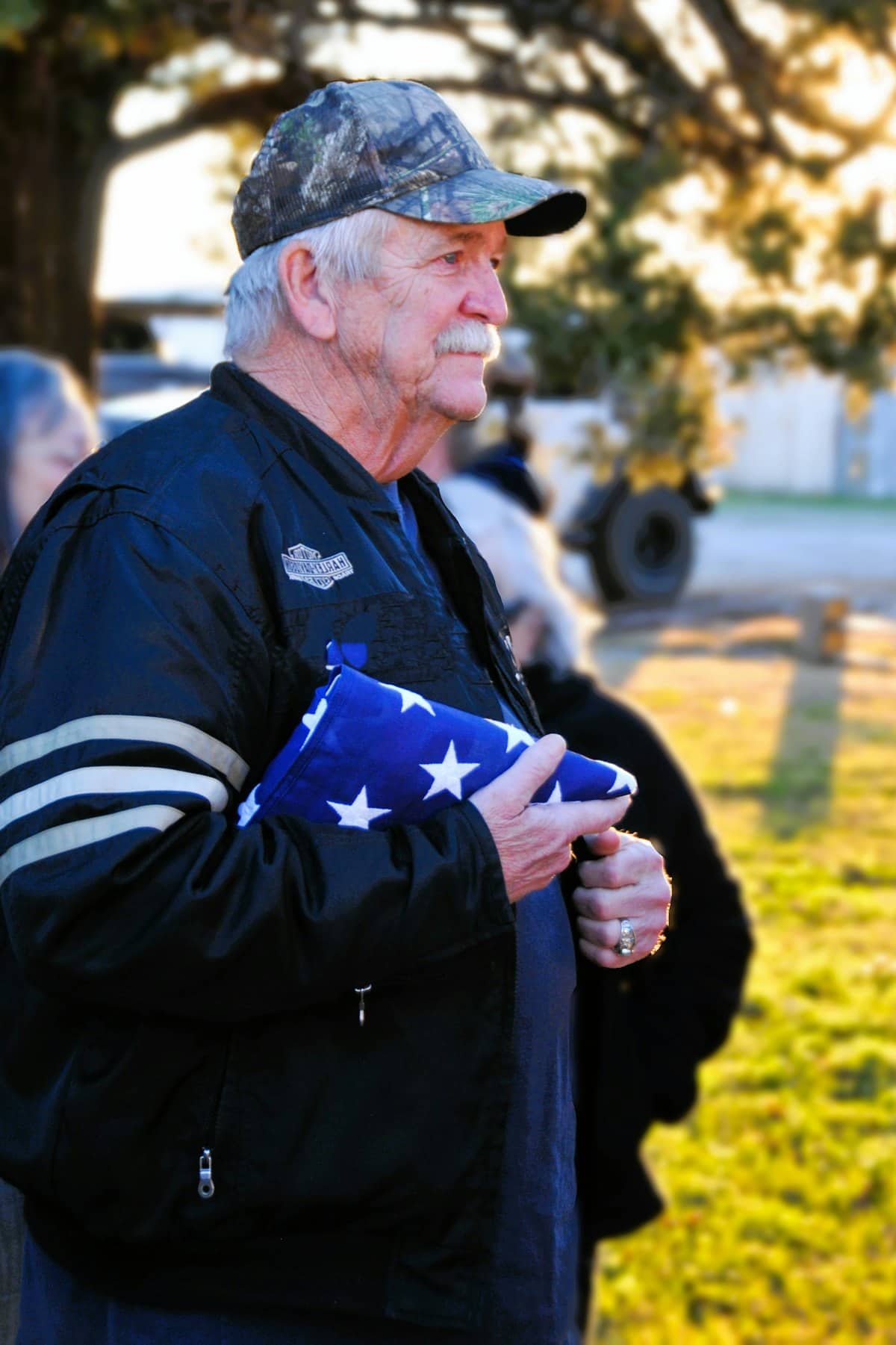
If you served and have been struggling with memories, sleep, anger, or feeling disconnected since coming home, you are far from alone. Reaching out is a sign of strength, and the care that works is within reach.
How common is PTSD among Veterans?
About 7 in 100 Veterans will have PTSD at some point in their lives, compared with about 6 in 100 adults overall. It is more common among women Veterans (13 in 100) than men Veterans (6 in 100). Rates also vary by when people served:
Iraq and Afghanistan (OIF/OEF)
29 in 100 at some point in life, and 15 in 100 in the past year.
Gulf War (Desert Storm)
21 in 100 at some point in life, and 14 in 100 in the past year.
Vietnam War
10 in 100 at some point in life, and 5 in 100 in the past year.
World War II and Korea
3 in 100 at some point in life, and 2 in 100 in the past year.
These figures come from a large VA study of living Veterans. Older studies suggest rates among Vietnam Veterans were higher.
What can lead to PTSD in the military?
- Combat and the constant threat of attack
- Seeing fellow service members wounded or killed
- Military sexual trauma
- Training accidents, aviation mishaps, and other serious incidents
- Trauma before or after service, which can add to the load
Military sexual trauma (MST)
MST is sexual assault or sexual harassment that happens during military service. When screened by their VA provider, about 1 in 3 women Veterans and 1 in 50 men Veterans report experiencing MST, and PTSD is one of the most common mental health conditions linked to it.
Every VA health care system has an MST Coordinator, and VA provides free care for mental and physical health conditions related to MST. You do not need to have reported the experience at the time or have documentation, and you may be able to get this care even if you are not eligible for other VA services.
Where Veterans can get PTSD care
VA medical centers and clinics
Evidence-based PTSD treatment, including CPT, PE, and EMDR, in person or by telehealth. Every VA medical center has providers trained to treat PTSD.
Vet Centers
Free, confidential counseling in community-based centers for eligible Veterans, service members, and families. Call 877-927-8387, any time.
Military OneSource
For active-duty, Guard, Reserve, and families: free, confidential non-medical counseling, 24/7, at 800-342-9647.
Make the Connection
Real stories from Veterans who have worked through PTSD and other challenges, at maketheconnection.net.
Not sure if you qualify for VA health care? Call 877-222-8387 or visit VA.gov. Recent laws, including the PACT Act, have expanded who is eligible.
Veterans Crisis Line
Dial 988, then press 1, text 838255, or chat at VeteransCrisisLine.net. You do not need to be enrolled in VA benefits or health care to reach out.
Coming home and transition
Leaving the military can mean losing structure, purpose, and a team that had your back, all at once. Many Veterans notice symptoms surfacing during this transition. Staying connected with other Veterans, finding meaningful work or service, and keeping a daily routine all help, alongside treatment.
Moral injury
Some service members carry deep guilt, shame, or a sense of betrayal after doing, seeing, or failing to prevent acts that go against their moral beliefs. This is called moral injury. It can happen with or without PTSD, and talking it through with a trusted provider or chaplain can help.
Support for military families
PTSD affects the whole family. Spouses, partners, and children can find support through Vet Centers, Military OneSource, and VA's caregiver and family programs. Our guide on helping someone with PTSD covers what to say, what helps, and how to look after yourself.
Sources
U.S. Department of Veterans Affairs, National Center for PTSD. How Common Is PTSD in Veterans?
U.S. Department of Veterans Affairs. Military Sexual Trauma.